



The Mausoleum of Turki Jangi
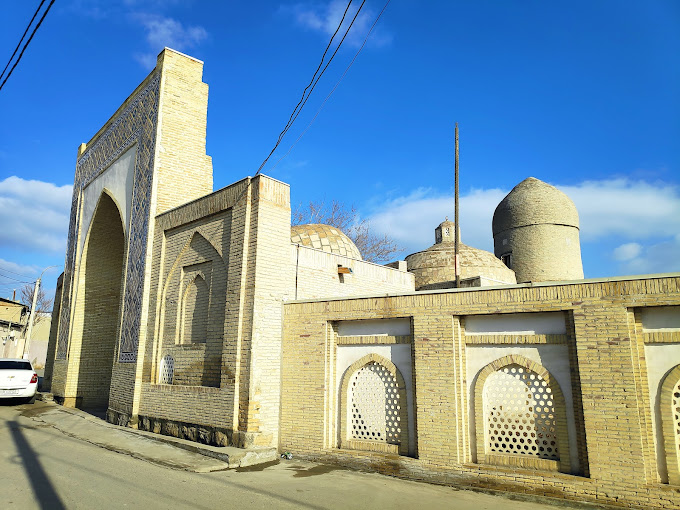
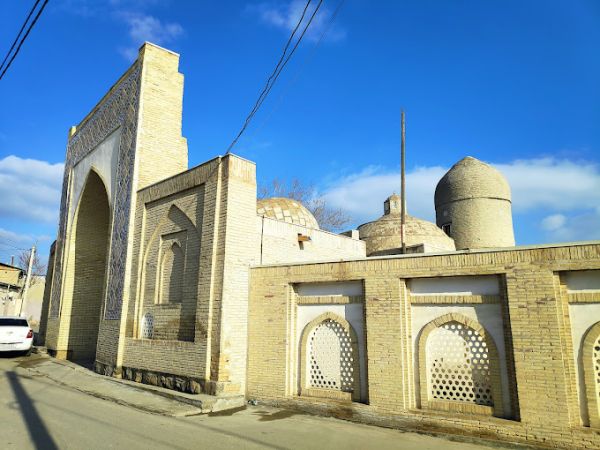
The Turki Jangi Mausoleum was erected in 1570 in honor of the Sufi saint Turki Jangi, who was very popular among the local population due to his spiritual teachings and healing. His mausoleum became a place of pilgrimage and worship for believers.
Main features of the Turki Jangi Mausoleum:
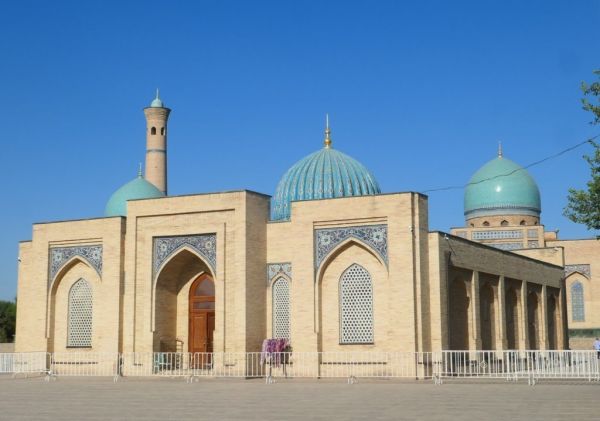
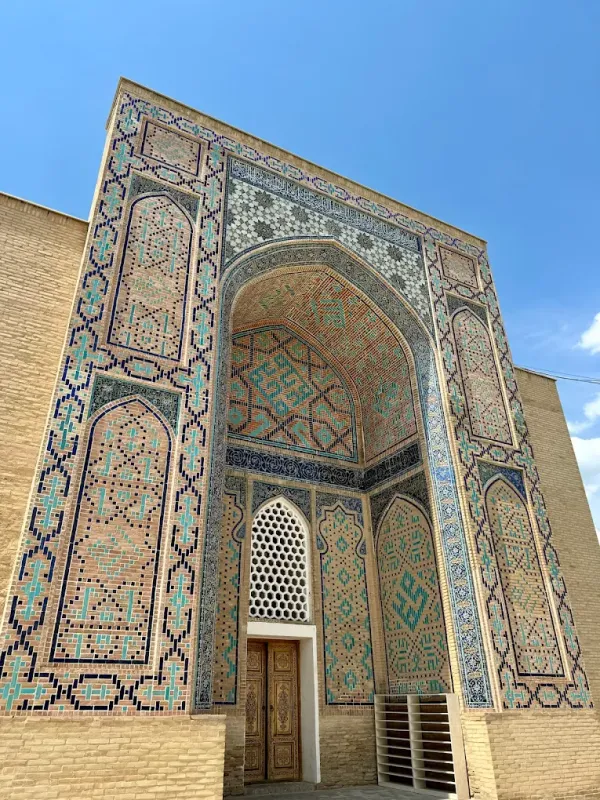
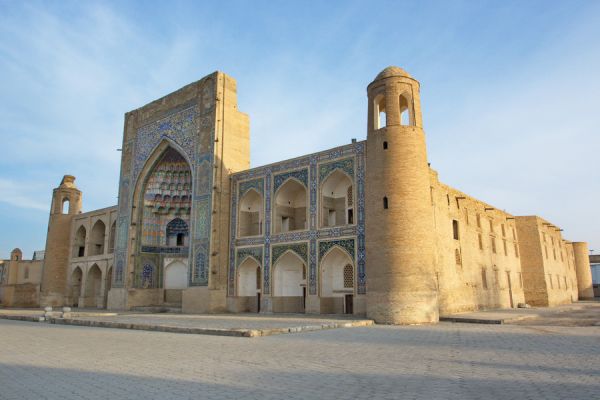
Architectural style: The mausoleum is made in the traditional Central Asian architectural style with elements characteristic of that time, such as domes, arches and carvings. Its facade is decorated with bright ceramic tiles and mosaics, which makes it particularly attractive from an architectural point of view.
Interior: The interior of the mausoleum is characterized by simplicity and harmony. There are decorative elements such as calligraphy and geometric patterns that create an atmosphere of sanctity and peace.
Historical significance: The mausoleum became an important religious center where rituals and prayers were held. It embodies the cultural and spiritual heritage of the region, and also serves as a symbol of reverence for Sufi traditions.
Tourist attraction: Today, the Turki Jangi Mausoleum is one of the notable attractions of Bukhara and attracts many tourists. Its architectural beauty and historical significance make it a popular place to visit and explore.
Cultural events: The mausoleum also serves as a venue for various cultural and religious events, making it an important center of public life in Bukhara.
The Turki Jangi Mausoleum is not only an architectural masterpiece, but also a significant symbol of the spiritual life of Uzbekistan. Visiting this mausoleum allows you to gain a deeper understanding of the Sufi culture and traditions of the region, as well as enjoy the atmosphere of tranquility and spirituality.




Place on the map
Tours where you can visit this place:
The Mausoleum of Turki Jangi
Tashkent — Bukhara — Samarkand — Shakhrisabz
- 720$
- 7d.
The Mausoleum of Turki Jangi
Tashkent — Bukhara — Samarkand
- 640$
- 7d.
The Mausoleum of Turki Jangi
Tashkent — Bukhara — Samarkand — Khiva — Khorezm
- 730$
- 7d.
The Mausoleum of Turki Jangi
Tashkent — Bukhara — Samarkand
- 500$
- 5d.

The Mausoleum of Turki Jangi
Bukhara — Samarkand — Shakhrisabz
- 480$
- 5d.

The Mausoleum of Turki Jangi
Bukhara — Samarkand — Khiva
- 440$
- 5d.

The Mausoleum of Turki Jangi
Tashkent — Bukhara — Samarkand — Khiva
- 590$
- 6d.
The Mausoleum of Turki Jangi
Tashkent — Bukhara — Samarkand — Shakhrisabz
- 1150$
- 7d.