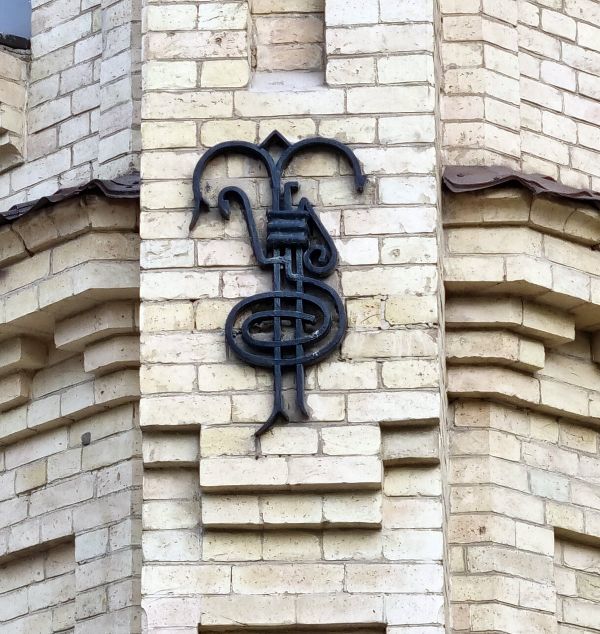
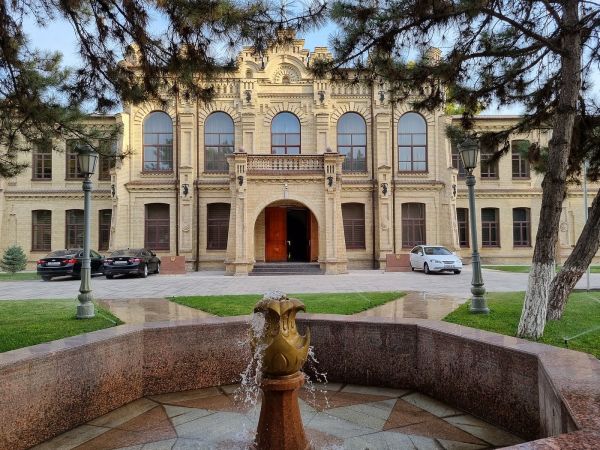
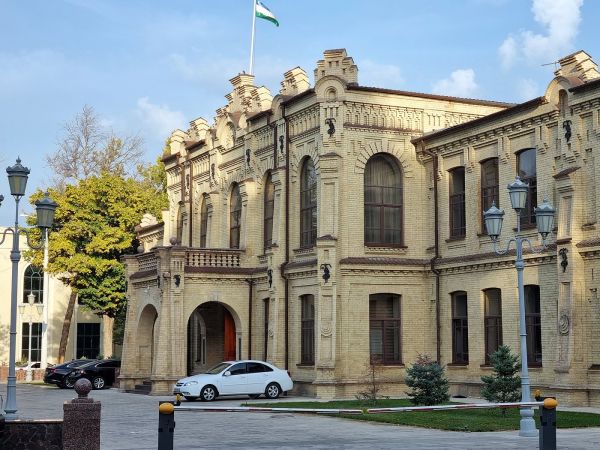
Tashkent Real School, 19th Century
The Tashkent Real School, founded on August 1, 1894, was one of the key secondary educational institutions in Russian Turkestan at the end of the 19th century. It was created to meet the urgent need for personnel with strong training in natural and exact sciences, preparing young people for admission to higher technical educational institutions of the Russian Empire.
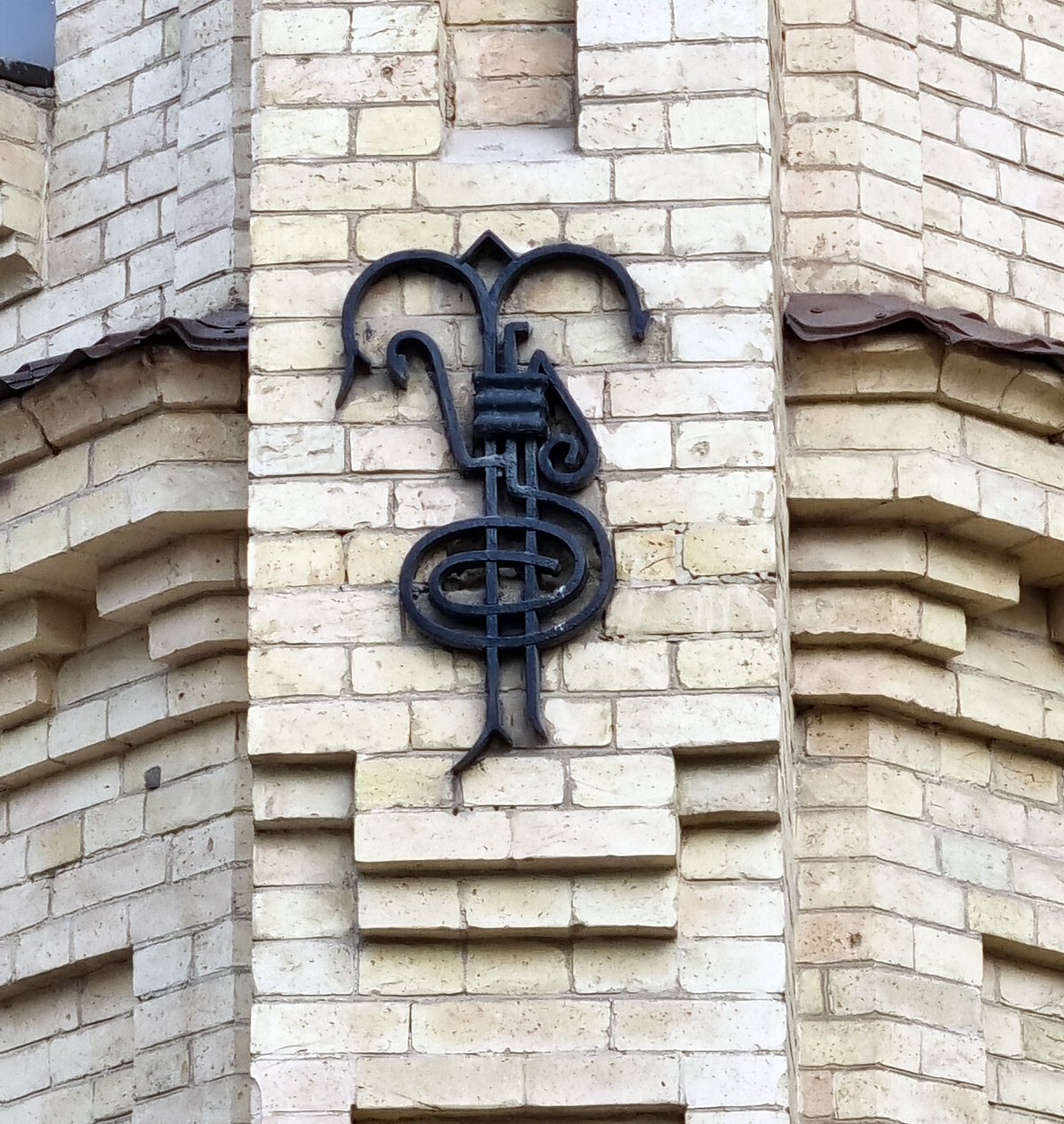
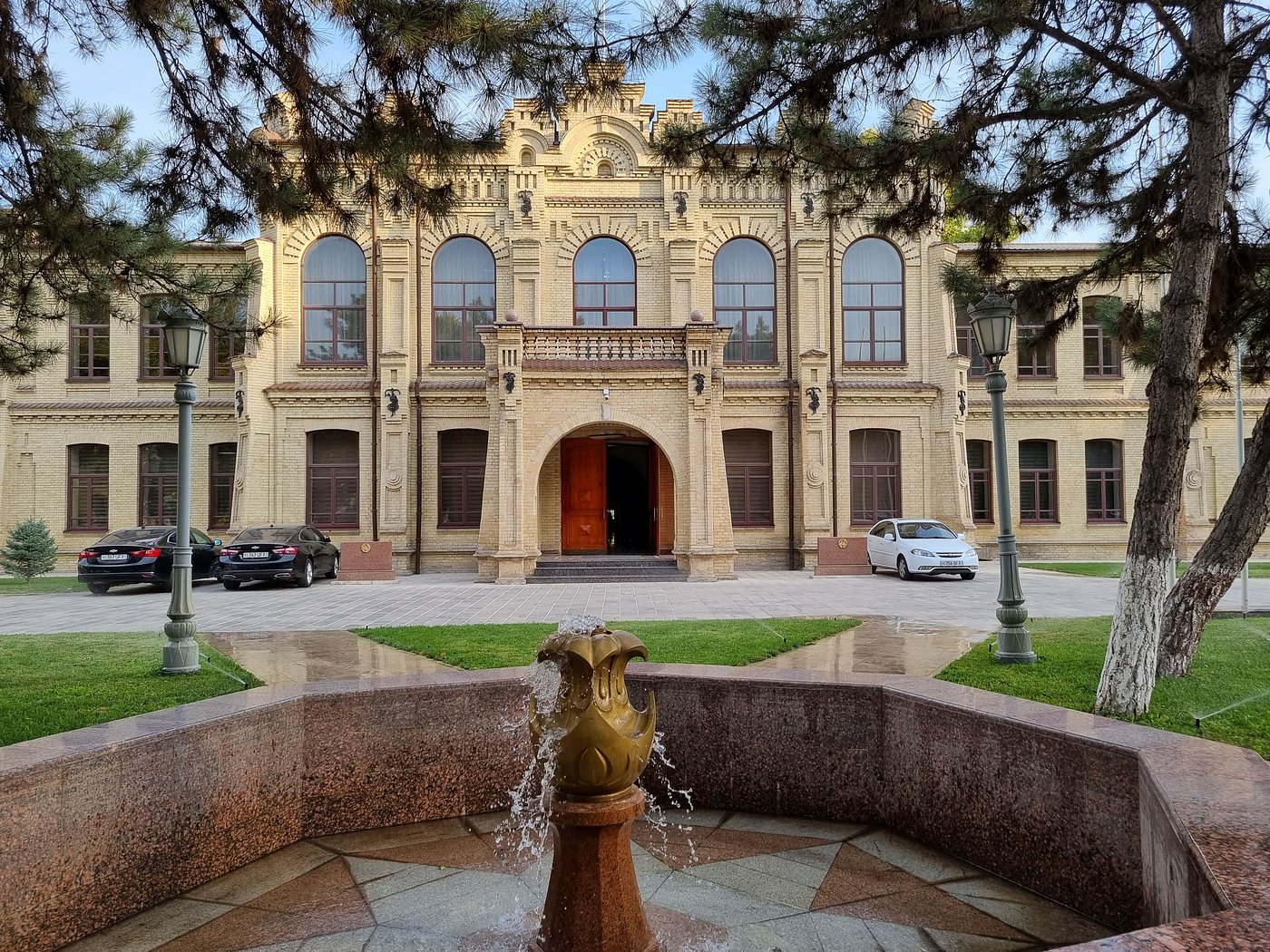
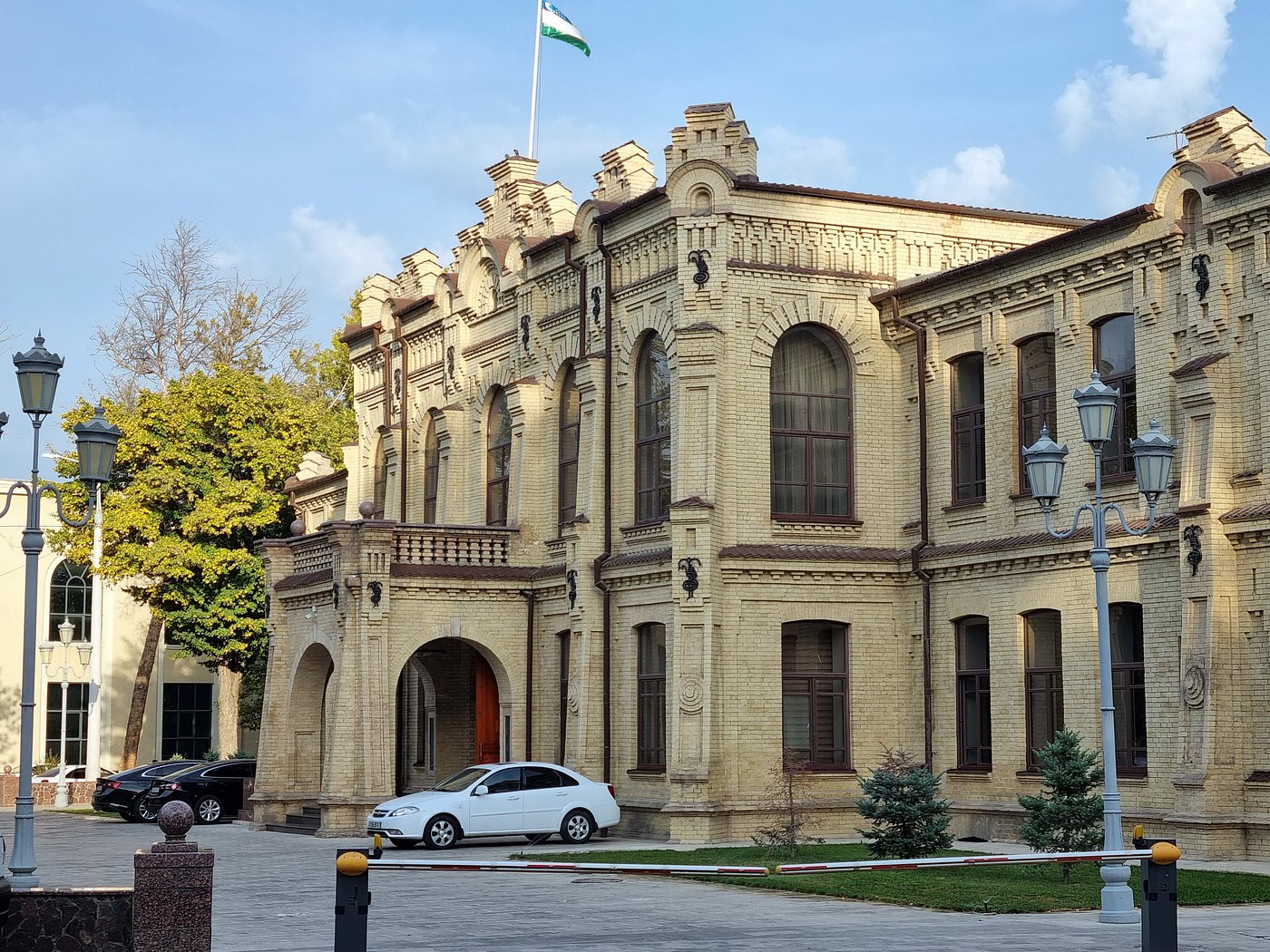
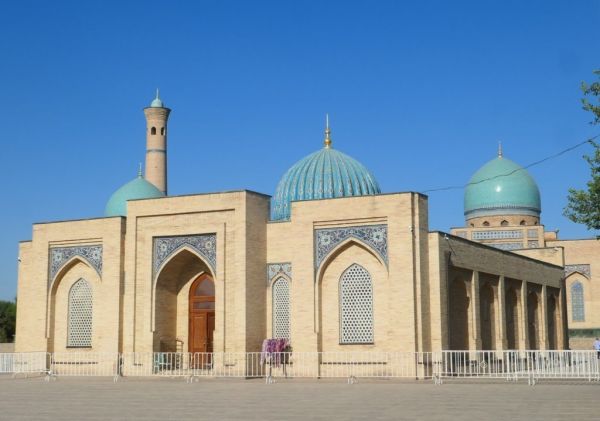
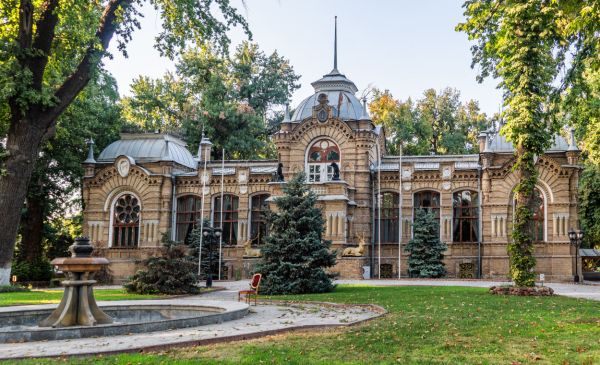
A monumental building was erected especially for the college in 1898 at the corner of Konstantinovskaya Street and Mahram Avenue (now Islam Karimov Street). The project was designed by architects V. S. Heinzelman and A. P. Maksimov in the style typical of imperial architecture of that time. The burnt brick building was distinguished by its solidity and grandeur, having an H-shaped plan. Inside, there were spacious and well-equipped classrooms for chemistry, physics, and drawing, as well as a library, living quarters for students, and a house church. The funding was provided by both the state and public donations, including funds from the Emir of Bukhara, which emphasized the region-wide importance of the educational institution. The college has become an important center for the education and formation of the technical intelligentsia in Central Asia. The building, which has survived to this day, is a valuable architectural monument and is currently being used as the Reception House of the Ministry of Foreign Affairs of Uzbekistan.




Place on the map
Tours where you can visit this place:
Tashkent Real School, 19th Century
Tashkent — Bukhara — Samarkand — Shakhrisabz
- 720$
- 7d.
Tashkent Real School, 19th Century
Tashkent — Bukhara — Samarkand
- 640$
- 7d.
Tashkent Real School, 19th Century
Tashkent — Bukhara — Samarkand — Khiva — Khorezm
- 730$
- 7d.
Tashkent Real School, 19th Century
Tashkent — Bukhara — Samarkand
- 500$
- 5d.

Tashkent Real School, 19th Century
Tashkent — Bukhara — Samarkand — Khiva
- 590$
- 6d.
Tashkent Real School, 19th Century
Tashkent — Bukhara — Samarkand — Shakhrisabz
- 1150$
- 7d.
Tashkent Real School, 19th Century
Tashkent — Bukhara — Samarkand — Khiva — Shakhrisabz — Gizhduvan
- 1200$
- 10d.
Tashkent Real School, 19th Century
Tashkent — Bukhara — Samarkand
- 675$
- 5d.