

Pir Siddiq Complex
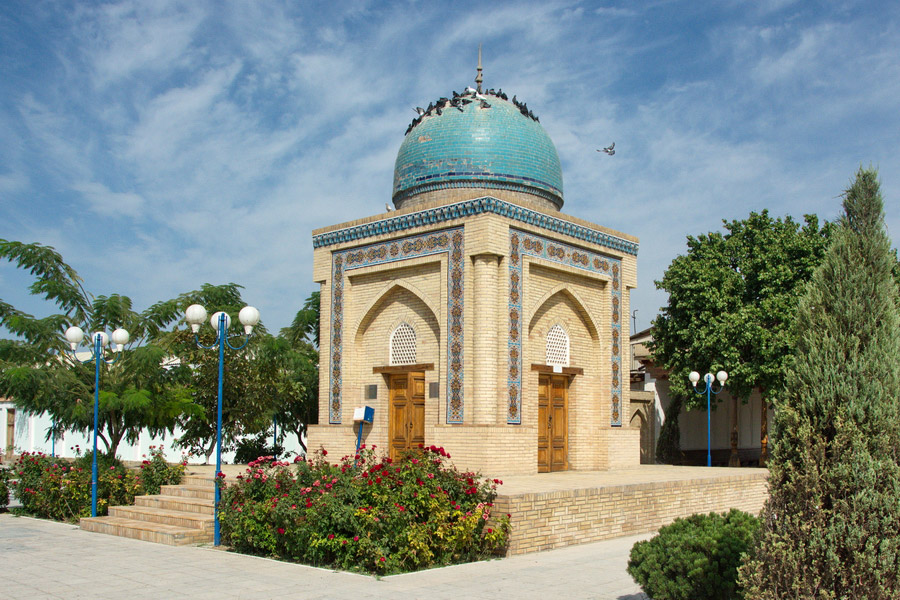
The name of this memorial complex was given by the name of Saint Pir Siddiq. Legend has it that Saint Pir Siddiq, hiding from the infidels, hid in a cave, and pigeons built nests and walled up the entrance with them. The pursuers, having reached the cave and seen the pigeons sitting quietly in their nests, passed by, deciding that a person could not hide here, otherwise the birds would show concern. Thus, the pigeons saved the saint. This is where the second name of the complex was born – "Kaptarlik", which means "pigeon".
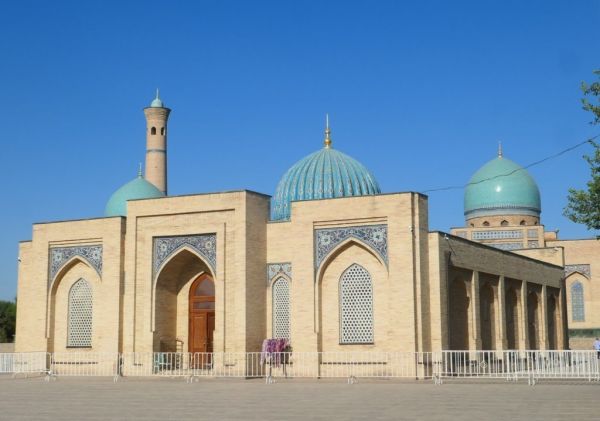
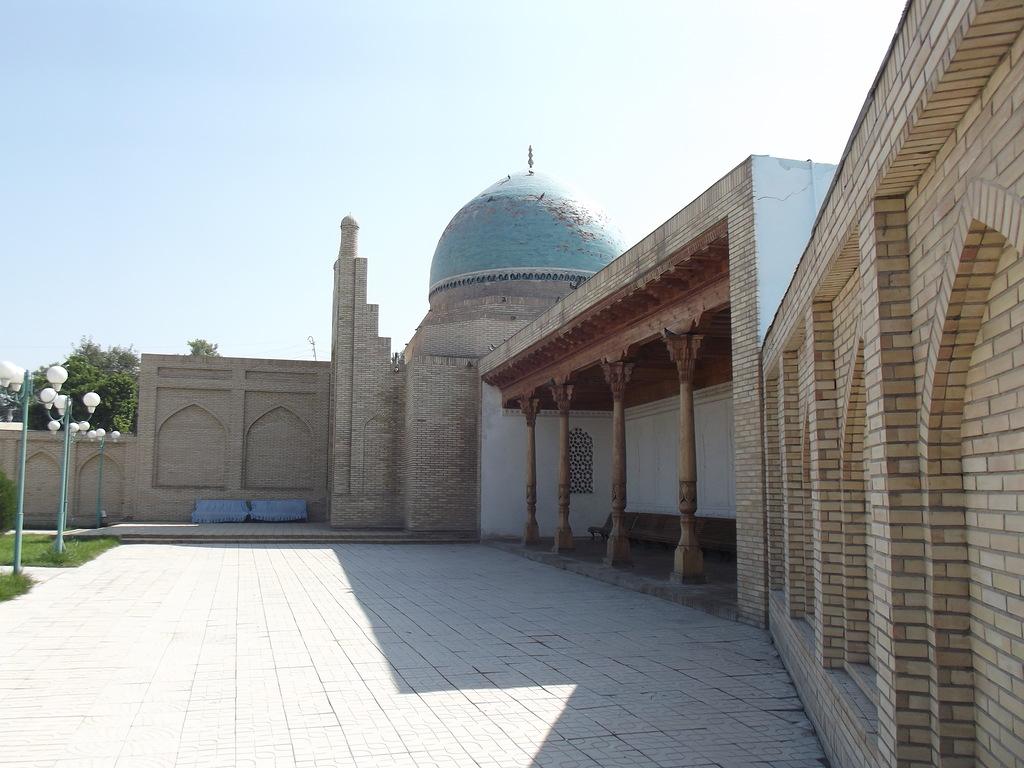
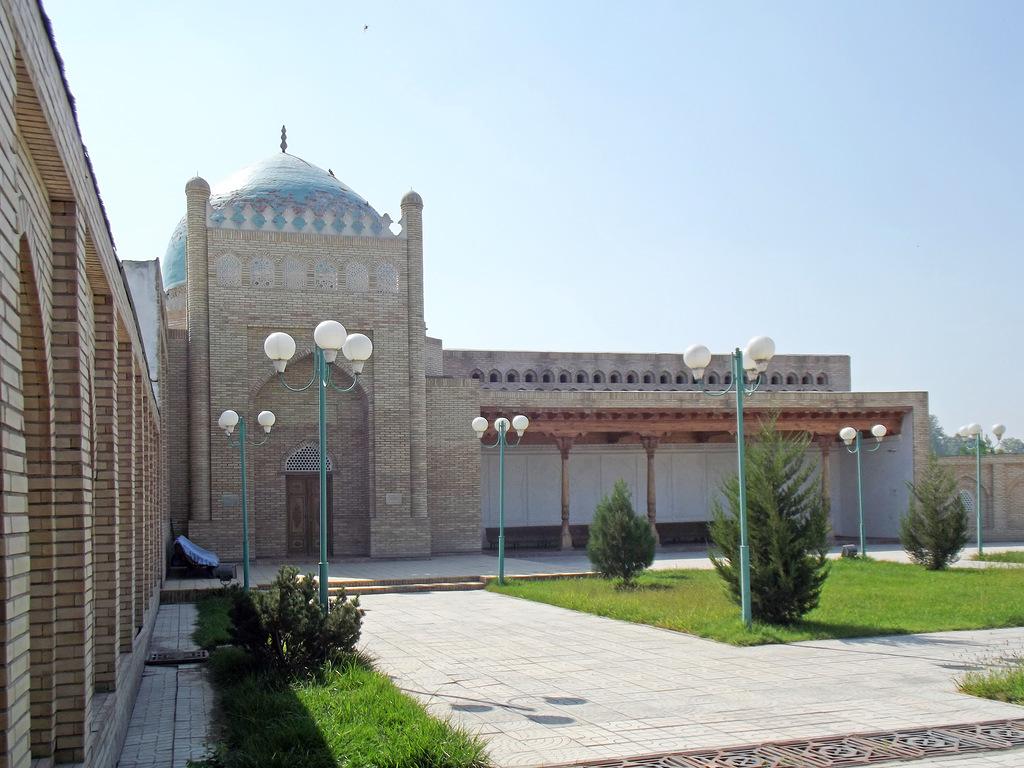
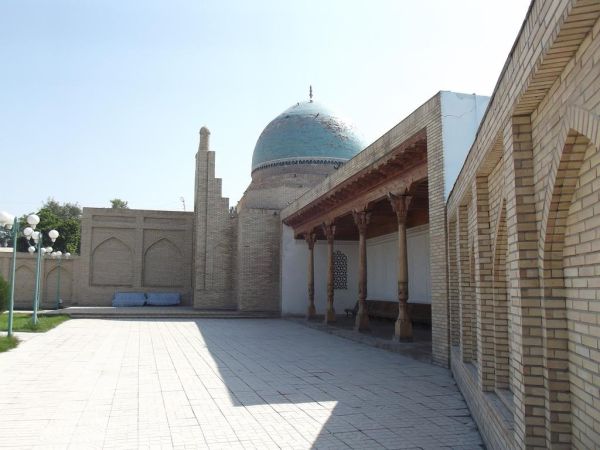
The Pir Siddiq complex was built in the middle of the 18th century. Over time, an architectural complex developed near it, including a mosque, a minaret, a courtyard with a tomb, a barn and a dovecote.
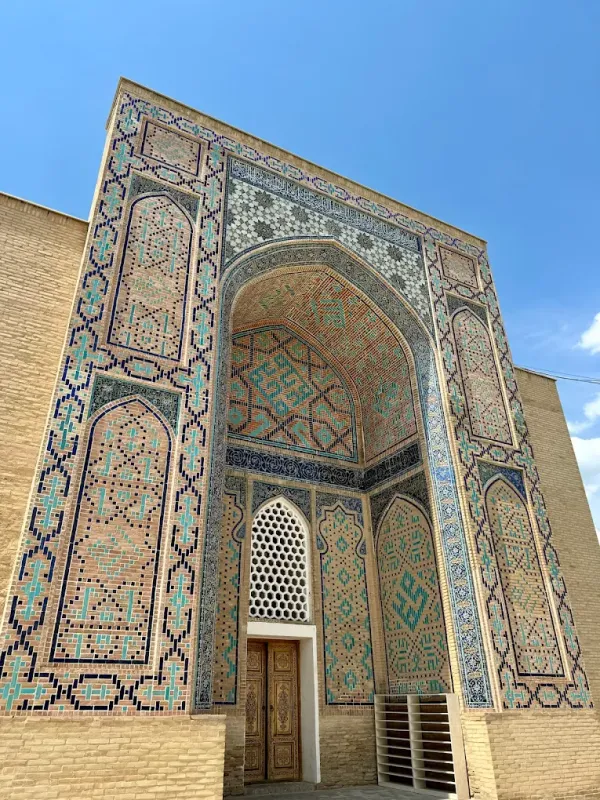
At the back of the courtyard there is a mausoleum facing north, in which Saint Pir Siddiq is supposedly buried. Its projecting portal is combined with a square chamber containing pointed tombstones - sagan. A special feature of the architectural composition of the mausoleum is the characteristic portal. It is a kind of screen in the form of a decorated wall with slender corner columns, completed with light domed lanterns that exceed the portal. The columns are decorated with geometric designs carved in ganch.