Religion in Uzbekistan
Uzbekistan is not only a crossroads of trade routes, but also the cradle of various spiritual traditions. The religious life of the country is characterized by a rich history and deep cultural tolerance, which makes it a unique destination for pilgrimage and cultural tourism.
Islam: The Spiritual Heart of Central Asia
The main religion of Uzbekistan is Sunni Islam, which came with the Arab conquests in the 7th–8th centuries. Islam has not only shaped culture, but has also become a major driving force in architecture, science, and education.:
Mausoleums and Shrines: The cities of Bukhara and Samarkand are dotted with holy sites (ziyarat). There are mausoleums of such prominent figures as Bahauddin Naqshbandi (founder of the Naqshbandi Sufi order) and Imam Al-Bukhari (author of the most reliable collection of hadith).
Symbol of Faith: Madrasas and mosques such as Poi Kalyan in Bukhara and the Khast Imam complex in Tashkent exhibit magnificent architecture and preserve ancient manuscripts, including one of the world's oldest Qurans of Osman.
Historical Layer: Pre-Islamic Beliefs
The land of Uzbekistan preserves traces of the world's oldest religions, which have coexisted here for thousands of years.:
Zoroastrianism: Zoroastrianism, the first world religion, originated in ancient Khorezm (on the territory of modern Karakalpakstan), long before the arrival of Islam. The ruins of fortresses such as Ayaz-Kala are a reminder of his influence.
Buddhism: In the south, in the Termez region, you will find unique Buddhist complexes such as Fayaz Tepa, indicating that in Ancient times Buddhism actively developed along trade routes.
Modern Tolerance and Diversity
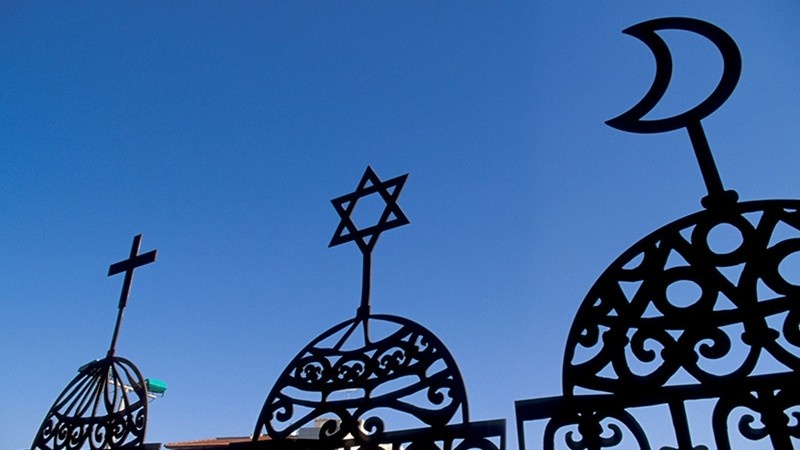
Uzbekistan is a secular State whose Constitution guarantees freedom of conscience for all citizens. In modern Tashkent and other major cities, you will see a vivid example of interfaith harmony.:
Christianity: Active Orthodox cathedrals (the Assumption Cathedral in Tashkent), Catholic churches (with organ concerts) and Lutheran churches are an important part of the urban landscape.
Judaism: The community of Bukharian Jews has a long history. There are ancient synagogues in Bukhara and Samarkand that can be visited.
For tourists: When visiting mosques and mausoleums, remember the need for modest clothing, showing respect for traditions and deeply religious people, for whom these places remain active centers of worship. This is a journey not only to architectural monuments, but also to the spiritual origins of Central Asia.